My Role
I initiated, planned, and managed this project with mentorship from Design For Change USA. I worked with a team of six other student designers.
The Result: Two New Opportunities for Engagement
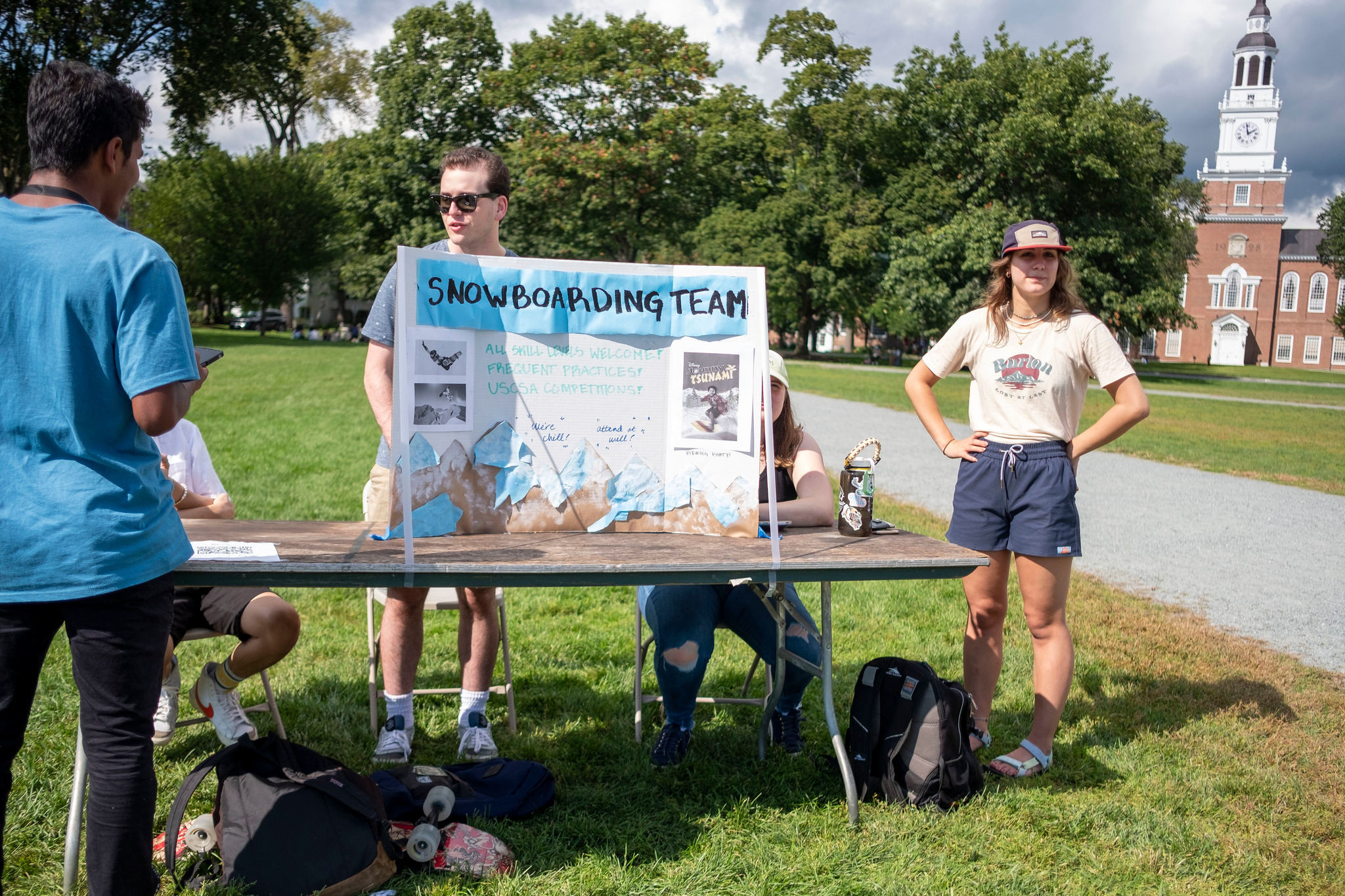
- DOC Intro Event — The DOC Intro Event takes place in the fall term and was designed to provide an easy jumping-off point for understanding the DOC and what it offers. We gave an overview of the DOC subclubs and structure, introduced the student officers who run the club, and talked about how to get involved, particularly for people who have not done these sorts of activities much before. The event had nearly 200 attendees and has been run for three consecutive years since we began it in 2020.
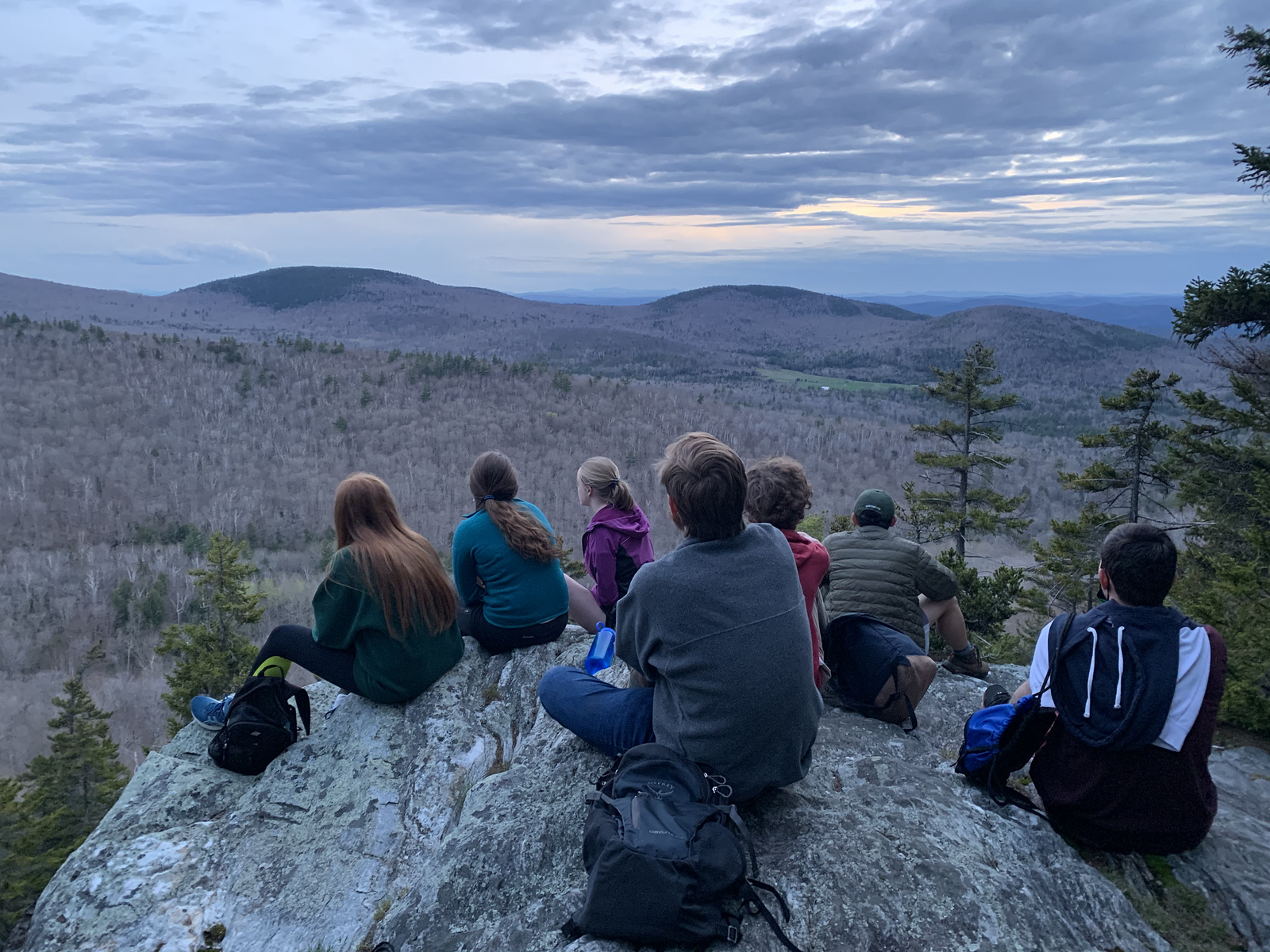
- Local Leader position — The Local Leader position provides a new level of membership in the DOC and is an option for students who want to take on a leadership role but may not have interest in leading longer trips. This leadership position requires around 16 hours of training rather than the closer to 50–70 hours it takes to obtain other leadership positions. Local Leaders can become meaningfully involved in outdoor leadership without making the DOC a primary extracurricular, and can then lead trips that help other students explore the local nature around Dartmouth.
Design Process: Feel, Imagine, Do, Share
We used Design for Change's approach to the design process, engaging in the steps of Feel, Imagine, Do, Share.
Background Research
We used Facts-Questions-Quotes-Connections charts to gather information and thoughts from outside resources on equity and inclusion in the outdoors, including podcasts, videos, and articles. We also filled out this chart ourselves so we could pool our collective knowledge and learn where each of us was starting from regarding these issues.
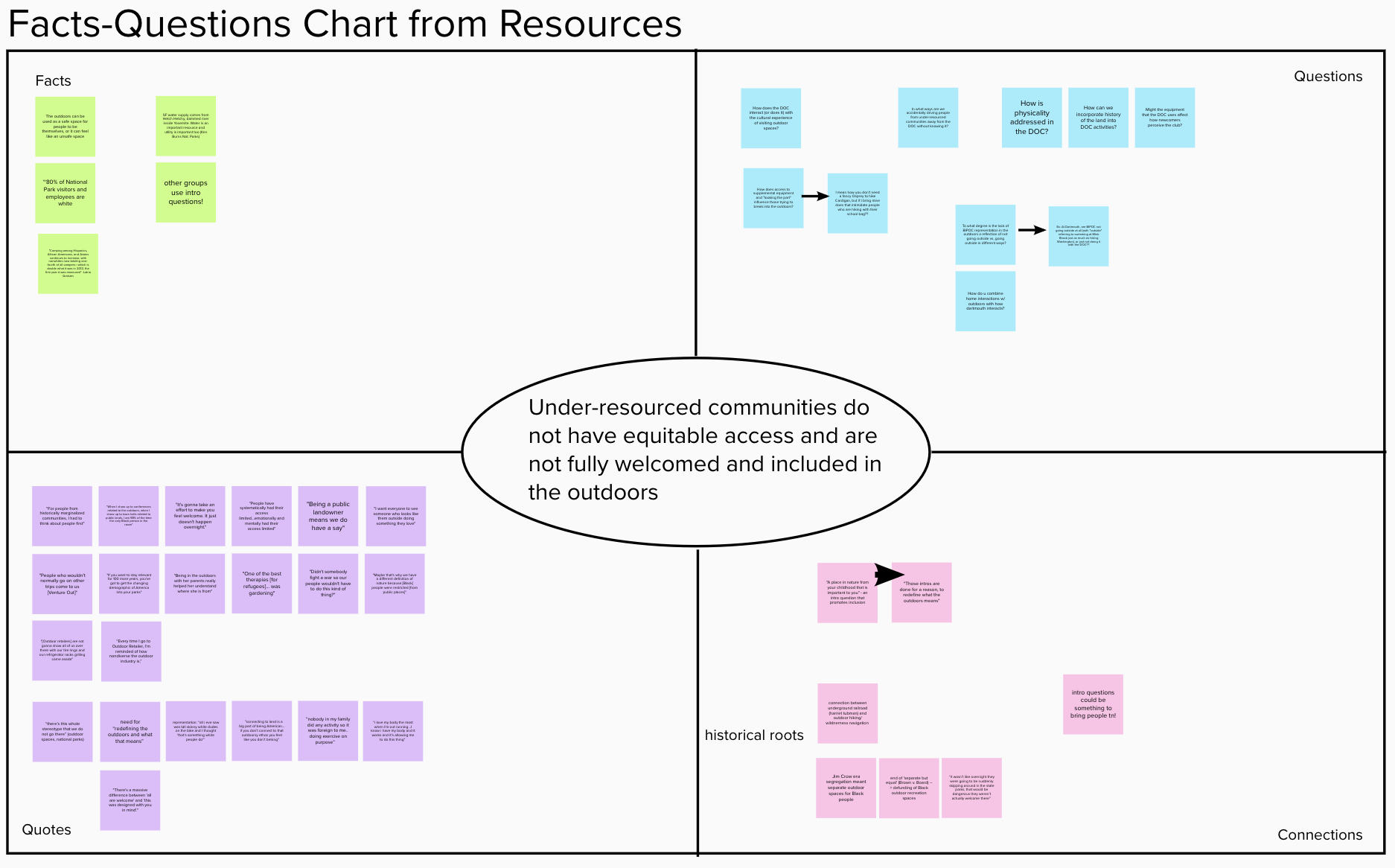
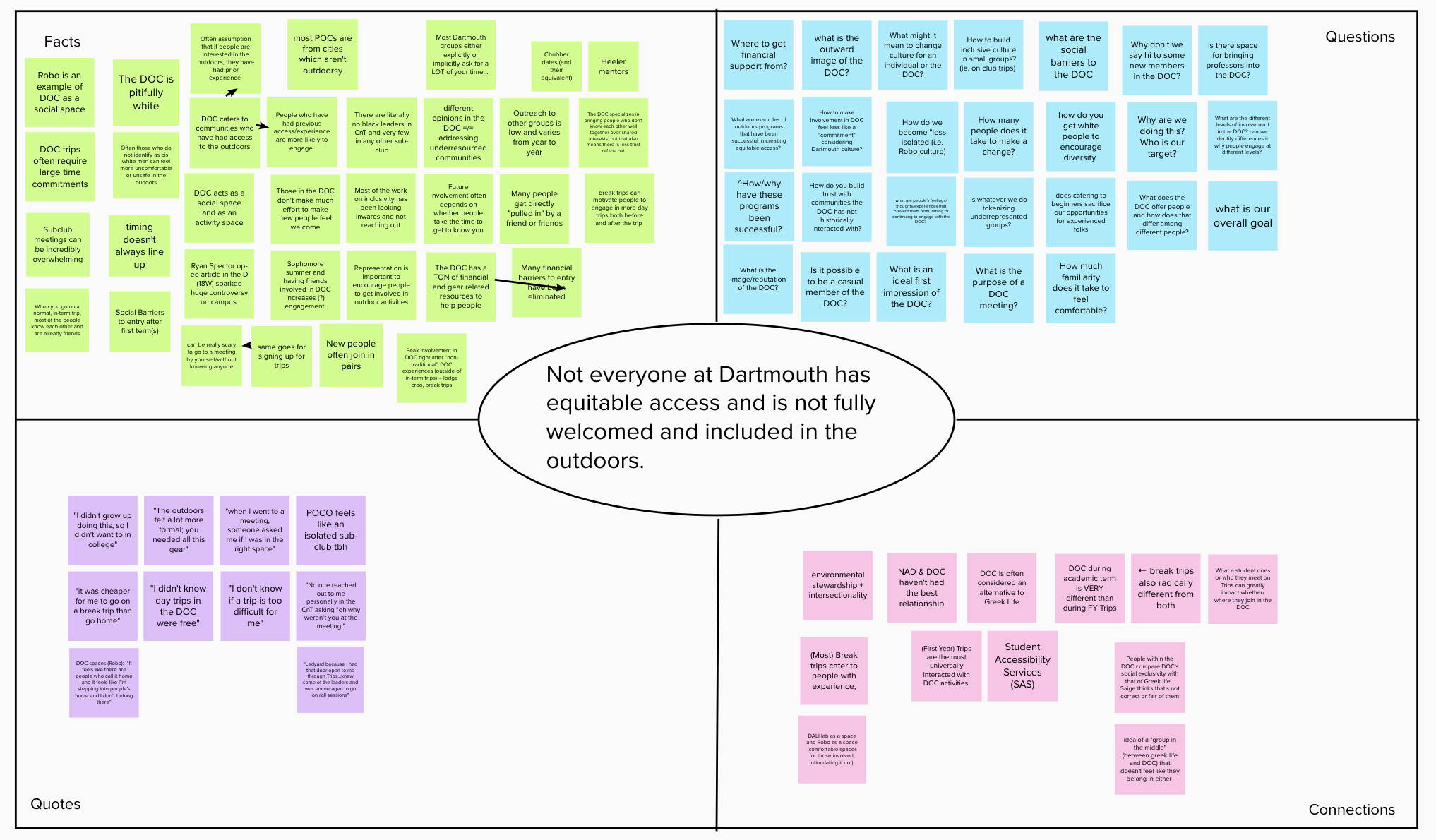
Facts-Questions-Quotes-Connections charts from our background research
User Research
We used our findings from background research to brainstorm interview questions and tested those questions by interviewing each other. We then conducted over 24 interviews with Dartmouth students and community stakeholders. We talked with student leaders and participants in the DOC, but we also emailed the entire undergraduate student body and talked with students who had not been involved in the club before.
We used a number of design tools to thoroughly analyze our insights from interviews. A journey map helped us understand what a typical path might look like for getting involved in the DOC, and creating three personas allowed us to examine how those paths might differ based on people's identities and backgrounds.

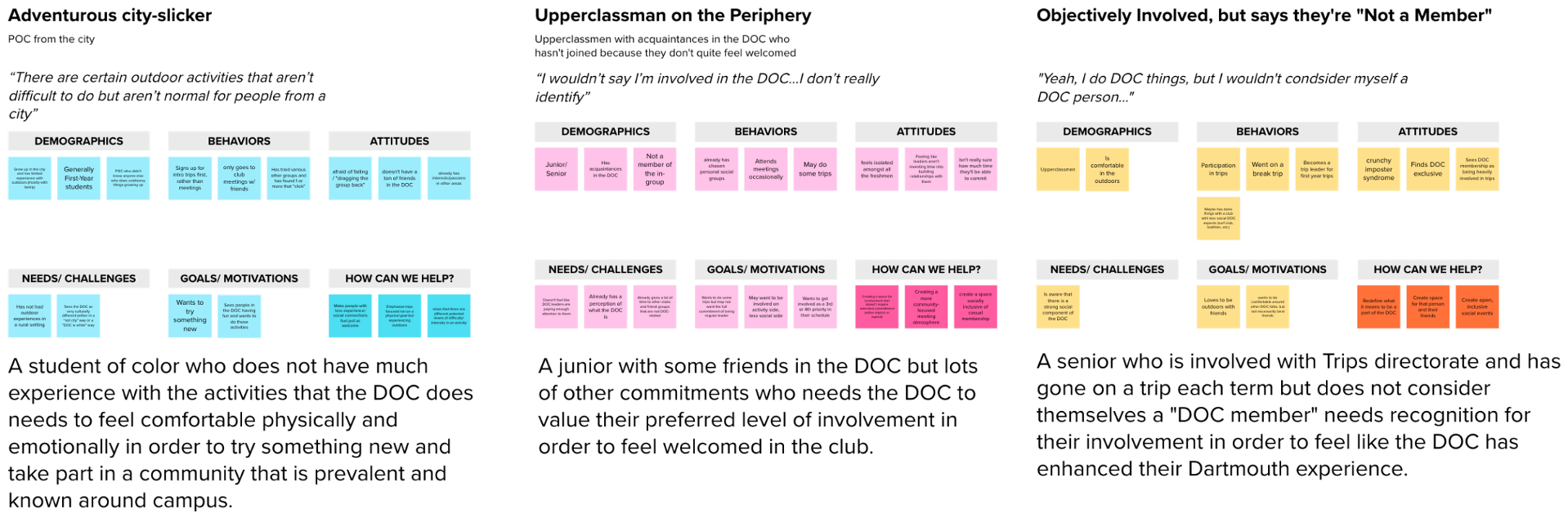
Journey map and personas developed from interview research
We also used Design for Change's Root Cause Analysis framework to connect the symptoms of the problems we uncovered with their root causes. These tools and analyses led us to narrow down on our central How Might We question: "How might we reframe the goals of the DOC to allow for multiple definitions of successful membership in order to improve accessibility and inclusivity, particularly in a world with online social events and local trips only?"
Brainstorming and Narrowing Ideas
We held two brainstorming sessions with a total of nine prompts to generate a wide range of ideas, then narrowed down our favorites with dot-voting and discussion. After storyboarding these ideas, we took them to student leaders to get feedback and think through the details of their feasibility.
Our biggest challenge was balancing our ideas with our constraints. As the summer went on, it became apparent that we were designing not only for inclusivity, but for inclusivity during a pandemic. In hindsight, we would have gained a lot from asking people about what worked well and what needed improvement in their interactions with clubs and communities during the remote spring term. We also held out hope for a long time that one of our ideas — an intro event for the DOC — could be held in person. Once Dartmouth confirmed it would be holding classes remotely for the fall term, we shifted our focus to solutions that were entirely virtual or compatible with campus COVID guidance.
After gathering feedback, we narrowed down our two final deliverables: a fall intro event for the DOC, and a new leadership position that would function as a general leader.
Building Into Existing Structure
It was key that we built our solutions into the existing structure of the Dartmouth Outing Club. For our new leadership position, we consulted with our Outdoor Programs advisors, the Student Risk Management committee, and DOC club chairs while writing up our documentation. We learned that if trips were run closer to the college and didn't venture into the backcountry, leaders would be allowed to lead trips with a regular CPR/First Aid med cert rather than a wilderness one — cutting hours off of the total time needed for training. We settled on calling the position a "Local Leader."
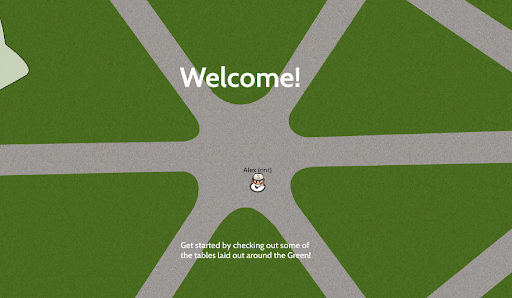
For the intro event, we worked with the current DOC club officers to plan and deliver a presentation that gave a comprehensive overview of the DOC and detailed the ways to get involved even if you had minimal outdoor experience.
Embedding Our Work for the Long Term
We presented our work to the DOC at the termly inclusivity event. We also wrote the details on how to run the inclusivity event into the DOC officer manuals and moved all of our Local Leader materials into the DOC shared drives to be accessed in the future. I became the Local Leader coordinator for the next year along with another student. We ran the trainings, onboarded new leaders, and sent emails outreaching to potential local leaders across campus.
The DOC Intro Event has been run for three consecutive years now, and the Local Leader position still exists with two new student coordinators and Outdoor Programs advising.
Gallery